
Event technical production brings together all the resources, equipment and technical professionals needed to turn an event plan into a safe, coordinated and successful live experience. From sound and lighting to video, LED screens, staging and technical crew, every element needs to be properly planned and coordinated.
Good technical production starts long before the audience arrives. Analysing the venue, defining the technical requirements, selecting the right equipment and coordinating the different teams are all essential steps to ensure everything works as expected during the event.
What Does Event Technical Production Include?
Every event has different technical requirements. A product presentation for 200 people does not require the same equipment as an outdoor festival or a large corporate convention.
For this reason, event technical production needs to be adapted to the event format, venue, number of attendees and specific requirements of each production.
The main areas typically include:
Sound
The sound system needs to provide clear and consistent audio throughout the venue. Depending on the production, this may include PA systems, mixing consoles, microphones, monitors and other equipment required for presentations, performances or live music.
The right system will depend on the size and characteristics of the venue, the number of attendees and the type of content being delivered.
Lighting
Lighting has both a technical and visual role. It illuminates stages and spaces, directs the audience’s attention and helps create different atmospheres throughout the event.
Depending on the production, this may include stage lighting, architectural lighting, ambient lighting and dynamic lighting.
Video and LED Screens
Video solutions allow presentations, videos, graphics and other content to be displayed, while also making it possible to capture and broadcast events live.
LED screens, cameras, projectors, video processing systems and other audiovisual equipment can be integrated to create a visual experience adapted to the event.
Staging and Structures
Stages, truss structures and other staging elements help organise and build the technical and performance environment.
As well as providing structural support, these elements need to be properly integrated with the audiovisual equipment to create a functional and coherent installation.
Technical Crew
Equipment alone cannot guarantee the success of a production. Behind every event there are specialised professionals working across sound, lighting, video, structures and technical operation.
Their work starts during the planning stage and continues through installation, testing, live operation and dismantling.
The Main Stages of Event Technical Production
A well-organised production requires careful planning at every stage.
1. Planning and Design
The first step is to understand the event and the venue. Based on this information, the technical requirements, equipment, crew and installation schedule can be defined.
Depending on the production, this may also involve technical plans, equipment layouts, power requirements, loading areas and coordination with other suppliers.
2. Logistics and Transportation
Once the project has been defined, the transportation and logistics of the equipment need to be organised.
Loading and unloading times, venue access, storage, installation sequences and coordination between different teams should all be planned before arriving at the venue.
3. Installation and Setup
Installation is when the technical planning becomes a real setup.
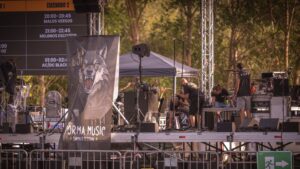
Stages, structures, sound systems, lighting, LED screens and video equipment are installed, together with all the necessary cabling and connections.
4. Testing and Setup
Before the event begins, every system needs to be checked and tested.
Sound, video, lighting and signal distribution are tested to make sure everything works correctly. Equipment positions, connections and technical cues are also reviewed.
For events involving musicians or artists, specific technical rehearsals or soundchecks may also be required.
5. Live Operation
During the event, the technical team monitors and operates the different systems to ensure that the production runs according to plan.
Sound, lighting, video, presentations, stage changes and other technical elements may require continuous operation throughout the event.
6. Dismantling
Once the event is over, the dismantling process begins.
Equipment is disconnected, dismantled and prepared for transportation, following an organised schedule that allows the team to work efficiently and safely.
What Should You Consider When Planning Technical Production?
There is no one-size-fits-all technical solution. Every project needs to be assessed individually.
Some of the factors that can determine the technical requirements include:
- The type and format of the event.
- The number of attendees.
- The characteristics and dimensions of the venue.
- Whether the event takes place indoors or outdoors.
- The type of audiovisual content.
- The requirements of artists, speakers or presenters.
- The available setup and dismantling times.
- Power and technical distribution requirements.
- The need for streaming or online broadcasting.
- Coordination with other suppliers.
This is why one of the most important aspects of technical production is anticipating the event’s requirements before production day.
Event Technical Production Is More Than Equipment Rental
Technical production is often associated simply with renting audiovisual equipment. However, professional production involves much more.
It is not only about having a sound system, LED screens or lighting fixtures. The right equipment needs to be selected, installed correctly, integrated with the other systems and operated by qualified professionals.
Working with a specialised technical team makes it possible to coordinate these requirements and approach the production as a whole.
Having a single technical partner can also simplify coordination between sound, lighting, video, structures and technical crew.
What Types of Events Require Technical Production?
Event technical production can be applied to many different types of productions, including:
- Corporate events.
- Conferences and conventions.
- Product presentations.
- Brand launches.
- Dinners and celebrations.
- Concerts and festivals.
- Institutional events.
- Trade shows and professional events.
- Hybrid events and live streaming productions.
Each format presents different challenges and requires a technical solution adapted to the venue, content and experience you want to create for the audience.
Event Technical Production in Practice
The best way to understand everything involved in technical production is to look at real projects.
At Albasound, we work on productions where sound, lighting, video, structures and technical crew are combined to respond to the specific requirements of each event.
From corporate productions for brands such as Adidas and Coca-Cola to events held in unique venues, every project starts with different requirements and needs its own technical planning.
The key is finding the right technical solution for each space and each production.
How to Choose an Event Technical Production Company
When choosing a technical production partner, it is important to look beyond the equipment they can provide. Experience, planning capabilities and technical crew are equally important.
Here are some aspects worth considering:
Experience with similar events
Looking at previous projects can help you understand whether the company is familiar with the requirements of your type of event.
Technical capabilities
The company should be able to cover the different technical areas required for your production or coordinate the necessary resources effectively.
Specialised technical crew
The experience of the professionals involved in installation and live operation is just as important as the equipment itself.
Planning
Good technical production anticipates the needs of an event and identifies potential issues before installation begins.
Adaptability
Every venue and every production is different. The technical solution should adapt to the project, rather than the other way around.
Well-Planned Technical Production Makes the Difference
When all the technical elements are properly coordinated, the audience does not necessarily notice all the work happening behind the scenes. They simply enjoy the event.
That is one of the key goals of good event technical production: making sure sound, lighting, video, structures and technical teams work together as one system so that everything performs when it needs to.
At Albasound, we plan, coordinate and deliver technical production for different types of events, integrating the resources required for each project.
Do you have an event in the planning stage?
Tell us what you need and we can help you find the right technical solution for your production.